The project's main challenge
The niche — a highly competitive English-language segment where budgets start at $10K/mo, and the topic is 'sensitive' and not allowed paid ads. So SEO is vital, and any filter here = a direct threat to the business.
In two days, 3–4 December 2018, a successful business's traffic dropped to almost zero. The situation was complicated by the fact that links were built white-hat only and there were no manual actions in Google Search Console — so formally the site 'broke no rules', and the cause had to be found blind.
Diagnosis: the cause was found blind
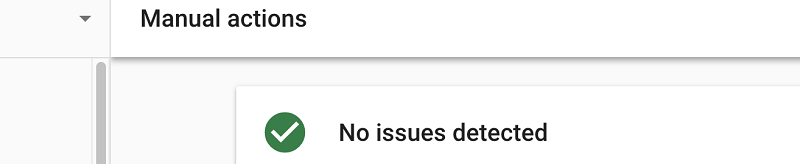
First we checked the obvious: manual penalties (none), the link profile (clean, white-hat), the technical state. The classic crash causes fell away one by one.
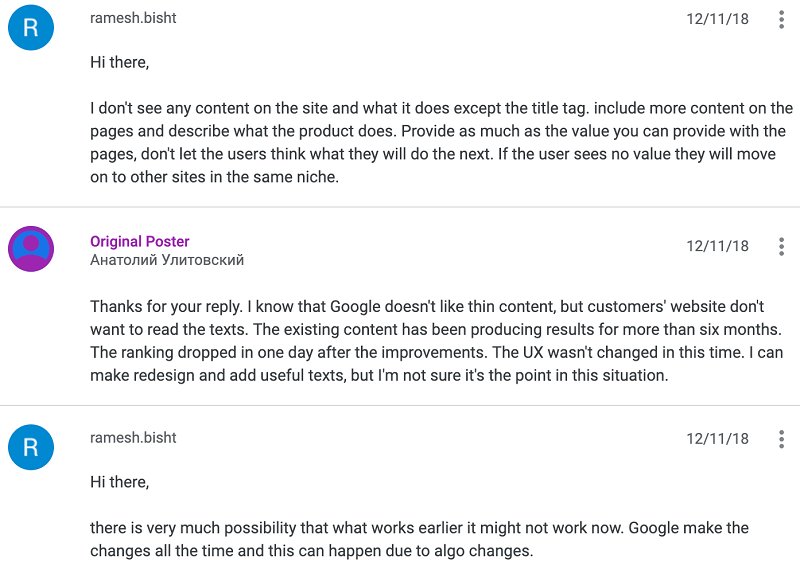
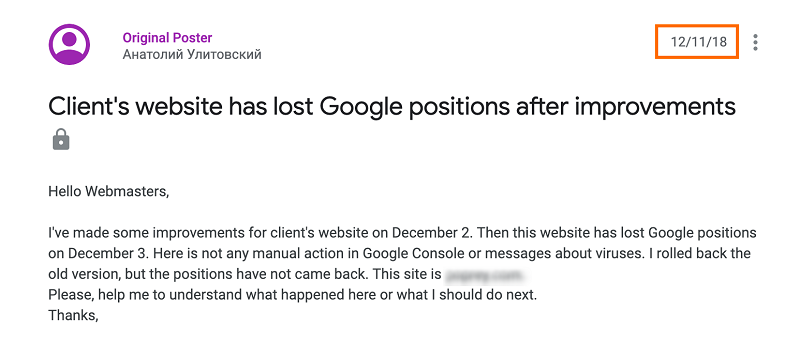
The answer turned up on Google's webmaster forum: the site had fallen under the algorithmic Panda filter — for thin, low-information content on key pages. It's not a manual penalty but an algorithmic quality demotion, which is why Console showed no warnings.
Solution: we rewrote 6 key pages
As an exception we took on the content ourselves. Texts for 6 key pages were written by a native speaker — critical in the English-language segment, where Google strictly judges naturalness and expertise. Crucially, we integrated the texts into the page design rather than 'dumping a wall of text at the bottom for the bot': content must sit naturally in the site's structure and be useful to a human.
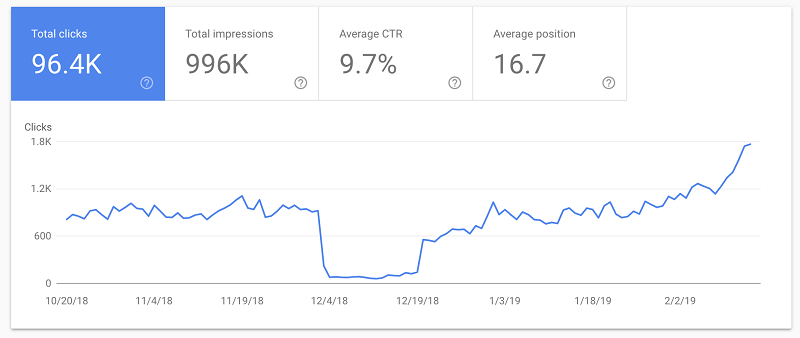
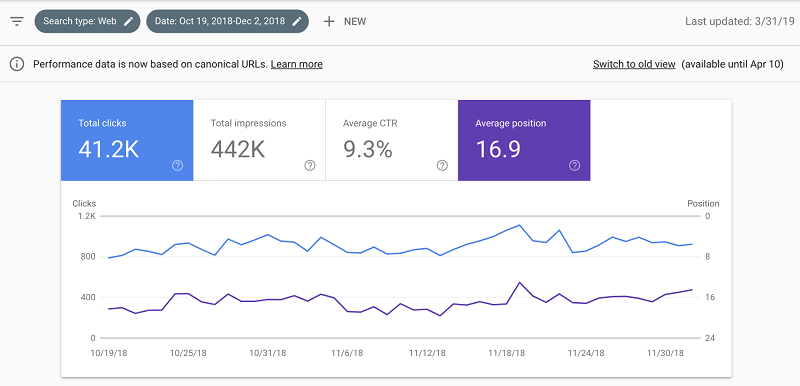
The business saved in 17 days
| Stage | Traffic |
|---|---|
| 3–4 December 2018 (Panda filter) | drop to almost zero |
| 20 December 2018 (after rework) | business saved, exited the filter |
| Further dynamics | steady growth, traffic exceeded the original ×2 |
Source: client web analytics and Google Search Console (screenshots in the case).
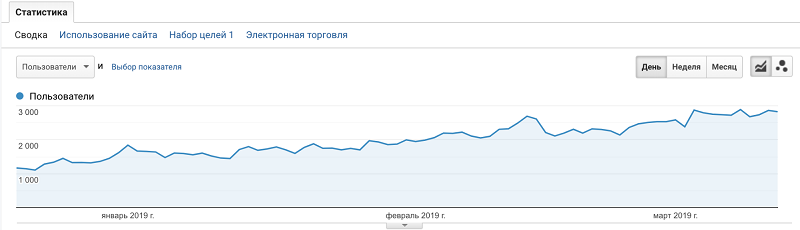
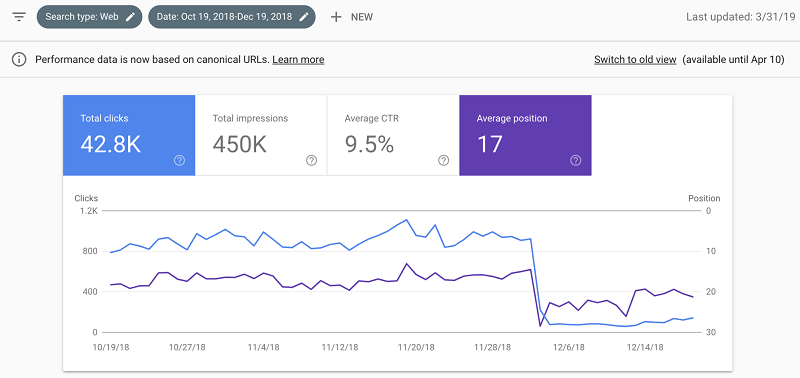
17 days after the hit, by 20 December 2018, the site exited the filter — the business was saved. The further dynamics were steady growth: traffic didn't just recover but exceeded the original level by 2×.
Conclusions
Never give up: in SEO there's a solution even in the toughest situations. Don't create cheap content or use copywriters who don't know the topic — texts must sit naturally in the site's structure. Don't promote with black-hat methods, they no longer work. And don't demand many links from your SEO specialist — better a small number of quality ones: those are what deliver rankings, traffic and sales.
Project team
The project was led by Nikolay Shmychkov — SEO strategy (deputy director, SEOquick). Full team and roles on the 'About' page.
What's next
A similar algorithm-recovery case: Belsta's recovery from a Core Update drop. Have a site under a filter or a drop? The concrete next step is an audit and a recovery plan.