The main challenge
We often get very small clients with hyper-local businesses. Sites on builders (WIX, Tilda), a small total marketing budget. Offering them SEO at a $1000+ average makes no sense.
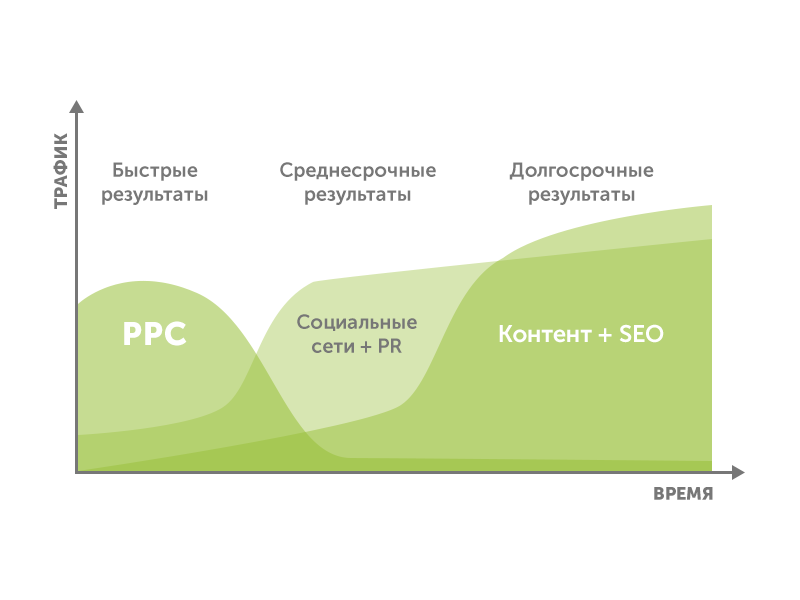
If the business is young and the cash cushion is thin, we recommend investing in paid search first: over time it delivers sales results faster. Most clients find Google Ads daunting ('Google eats money'), so below is our clear step-by-step system.
Step 1. Semantics and negative keywords
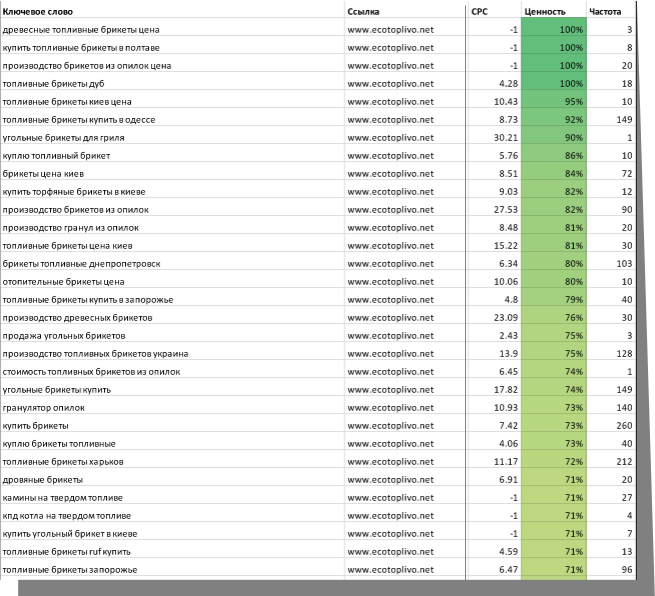
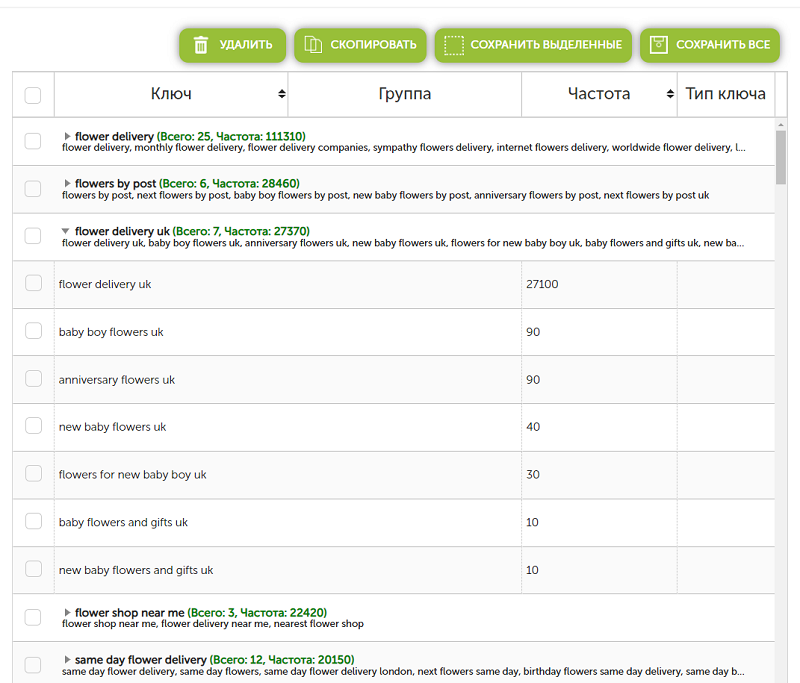
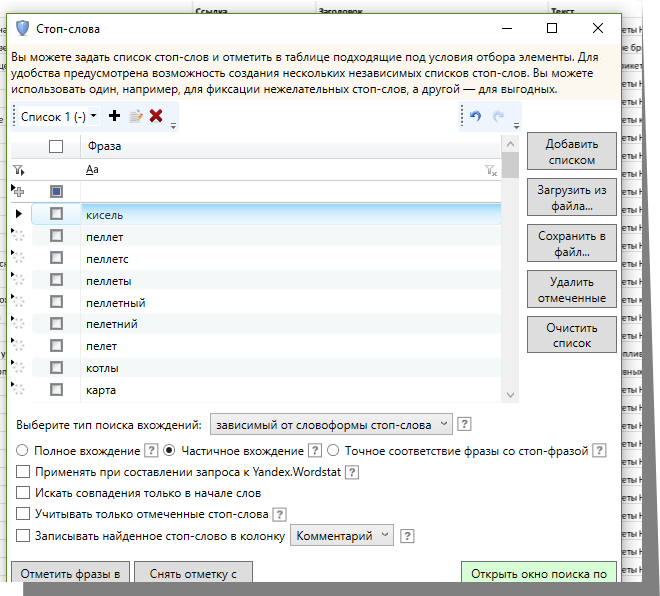
We build a base semantic core around the client's products and services. We use the keyword planner and a clusteriser to split queries into groups and intents.
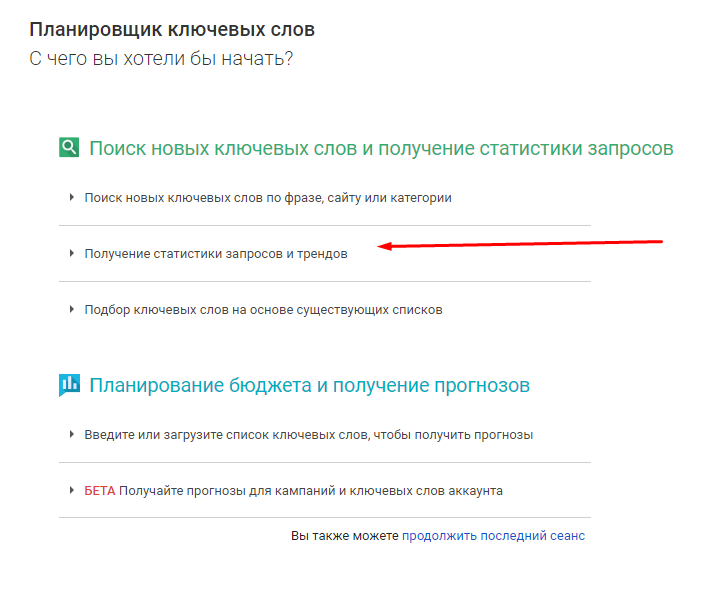
In parallel we collect negative keywords: at the start we clean off-target queries so budget doesn't go to 'free', 'DIY', 'jobs' and the like.
Step 2. Ad copy
Ad copy is your guarantee of being noticed. A campaign's success directly depends on the ad's appeal, since the entire results page on a commercial query can be filled with ads.
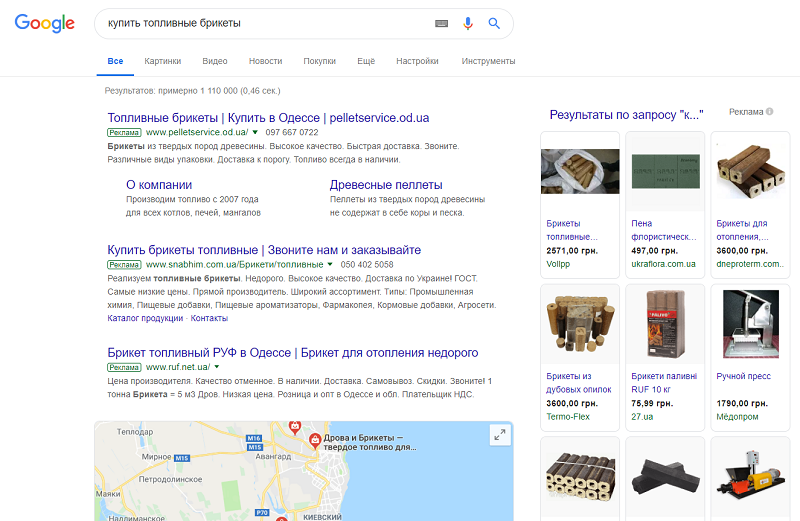
If there's no live spot for organic on a query, promoting the client via SEO is pointless — and paid search is all the more valuable. If a USP is hard to invent, we look at TOP competitors in the client's geo and pick 2–3 optimal copy variants.
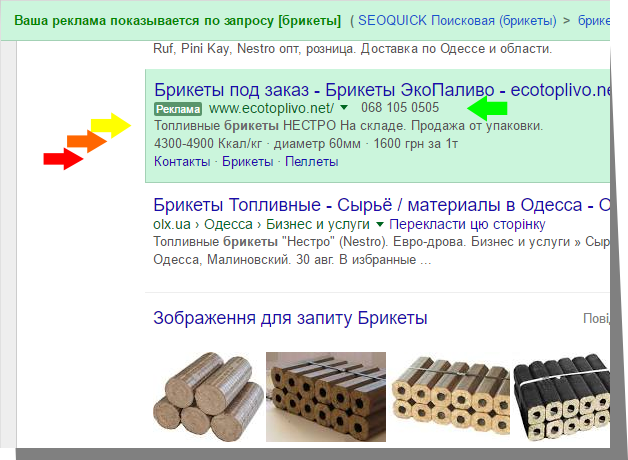
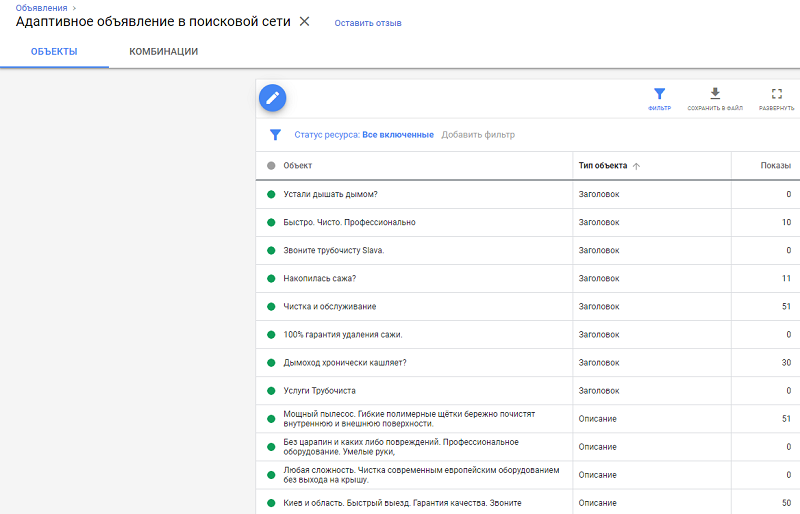
In the ad it's important to highlight the phone, USP, prices/promos and extensions. Fill the ad out 100% — it raises rank and CTR.
Step 3. Landing page and conversion setup
The first client — a local fuel-briquette business (CMS — WIX, zero SEO metrics, retail and small wholesale). The second — a chimney- and boiler-flue cleaning service site built 'on the knee'.
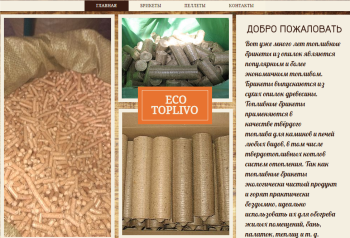
We don't advise driving traffic to weak sites: better spend a bit more on a designer and build a proper landing. A landing page works if the business has one or two key products. The essentials — capture forms, speed and a clear structure.

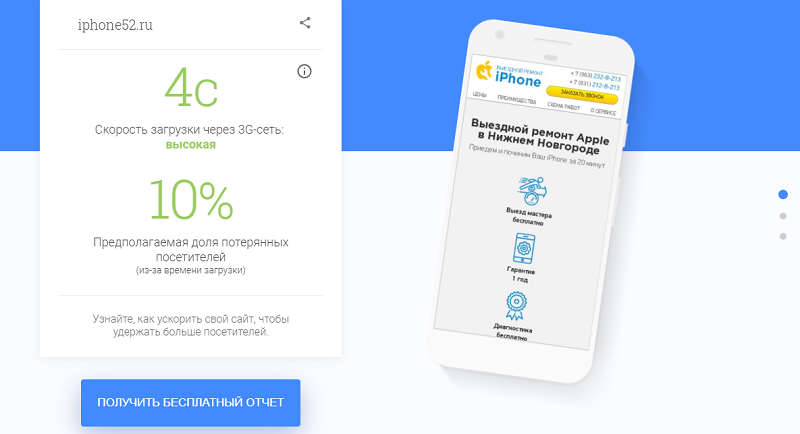
Step 4. Building the search campaign
Once the steps are done, we set up the search campaign. We upload both in the interface and via AdWords Editor — the tool is handy and lets you create a campaign in a few actions. To speed things up we have our own campaign generator.
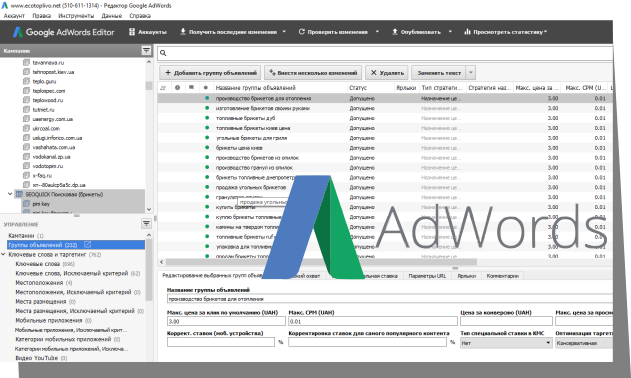
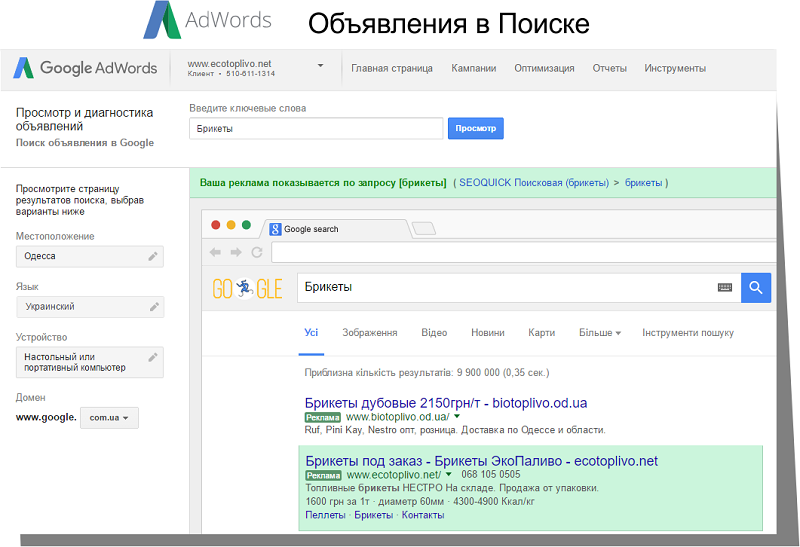
Among the recommendations: keep minimal keywords per ad group under a single intent so the ad is as relevant as possible; link AdWords and Google Analytics for end-to-end analytics.
Step 5. Display and remarketing
The strategy should also work on branding. Display can target interests, keywords, age and regions, but it works worse than search. Search campaigns and remarketing deliver the most conversions.
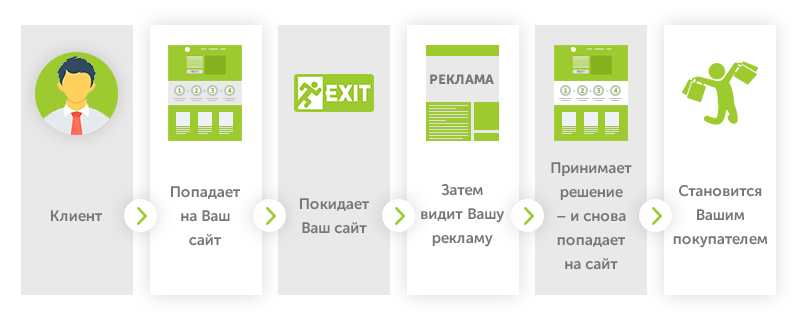
The scheme is simple: a client visits the site, leaves, sees your ad on topical AdSense sites, at some point returns and buys. If a visitor didn't convert — 'chase' them with banners (the audience is easy to build in Google Analytics). Here it's the banner that sells.
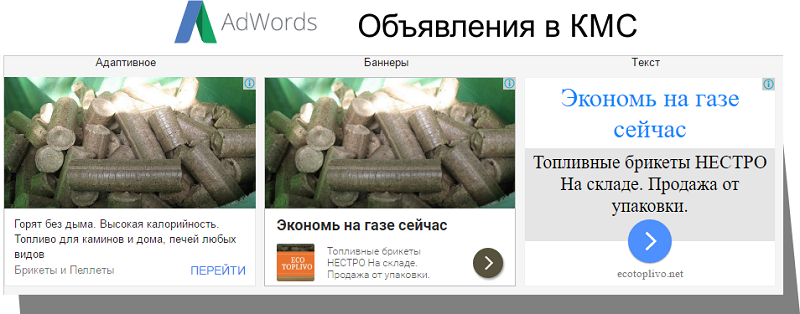
What you'll get (if you repeat the system)
| Benchmark | Value |
|---|---|
| Search-campaign CTR | ~10% |
| Remarketing CTR | 0.7–1.2% |
| Deal conversion | 2%+ |
| Target keywords | 85% with no off-target queries |
These are benchmarks from SEOquick small-business campaigns, not guaranteed values — results depend on the niche and the sales channel.
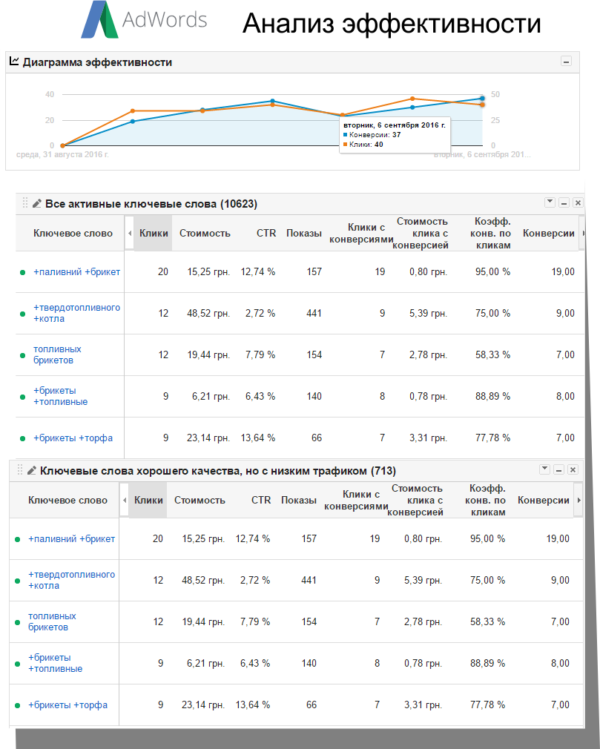
After 7 days you can analyse keywords and do extra negative work (convenient to track in Google Analytics, linked with AdWords). With a good result, direct search-campaign CTR holds around 10% (first screen, appealing ads), remarketing CTR is 0.7–1.2% (good placements), and deal conversion is 2%+.
Project team
The methodology and launch were led by Nikolay Shmychkov — PPC and SEO strategy (deputy director, SEOquick), author of the SEOquick YouTube channel. Full team and roles on the 'About' page.
What's next
A similar performance case with real numbers: lead generation via Meta Ads (2–3$ per lead). Want to launch paid search? The concrete next step is to try our free keyword generator and AdWords generator, or get an audit.