Crowd marketing past and present
Crowd marketing (from 'crowd') emerged when search engines and social networks began cracking down hard on bought links and spam comments. Its essence — engaging the target audience on forums, social networks and blogs through useful mentions, not spam.
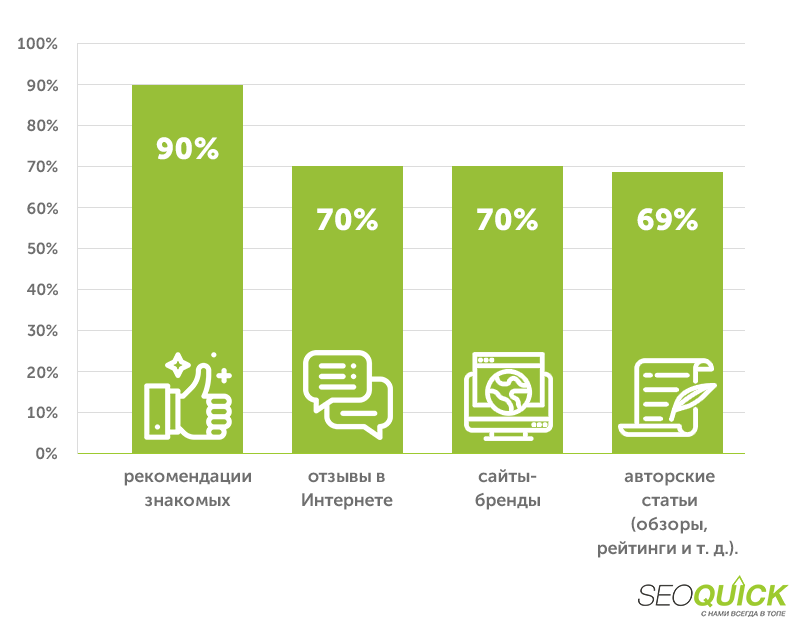
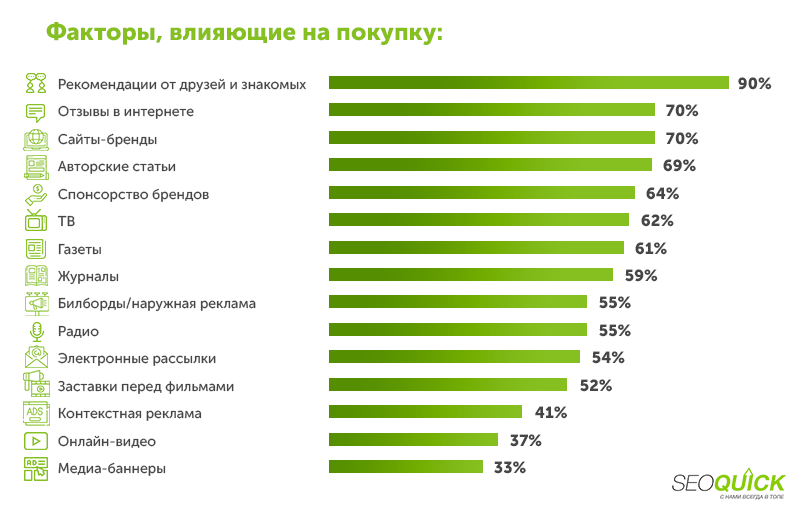
Analytics firm Nielsen confirmed the field's significance with its 2017 advertising-market study: people trust recommendations and reviews from real users more than direct advertising. Crowd is built on exactly that trust.
Crowd-marketing platforms
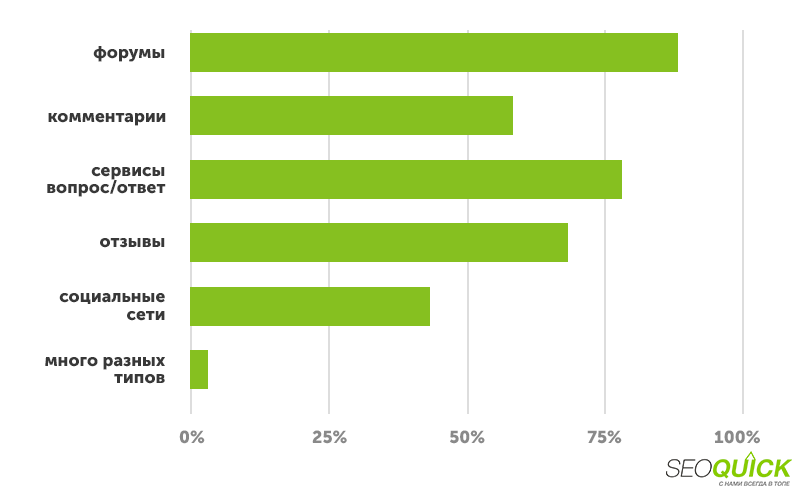
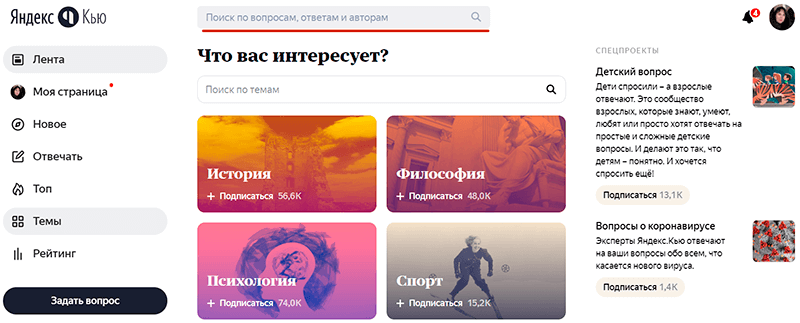
Per 2017 industry research, forums were at peak popularity — used by 90% of respondents. Second came Q&A sites, then review platforms. Since then social networks' role in native advertising has grown, but the role of forums, Q&A and review sites remains high.
Crowd-marketing goals: marketing & SEO
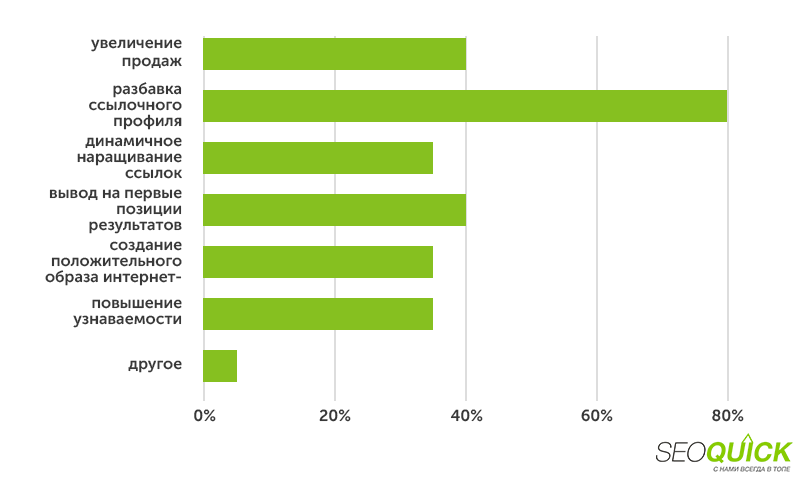
Informing
Tell people on stages 1–2 of Hunt's awareness ladder about a new product/idea.
Recognition & associations
Raise brand recognition and create positive associations with its name.
Reputation
Reputation management — in particular, working through negative reviews.
SEO along the way
Natural mentions and links, drawing relevant users to the right platform.
Crowd isn't for everyone: when it's ineffective
Crowd marketing is no panacea. It won't work for network-marketing invitations (supply far exceeds demand there), for everyday consumer goods, for force-majeure services (tow-truck call, emergency door opening) or for a small corner-shop — decisions there are made on different triggers, not a forum discussion.
Stages of a considered crowd strategy
To make crowd systematic, we start with an audience portrait: age, education, income, status, interests — and always the Hunt-ladder stage (what the person knows about the product and how ready they are to buy). This data drives platform choice and content tone. If there are several audiences — a portrait per each.
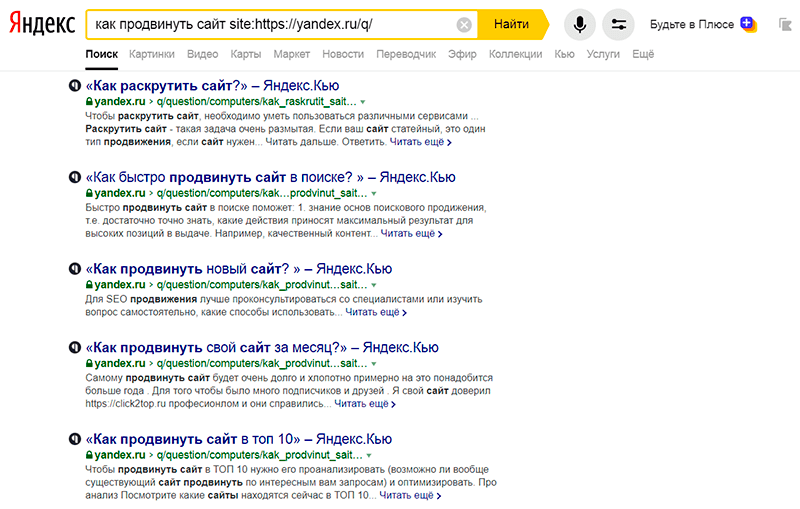
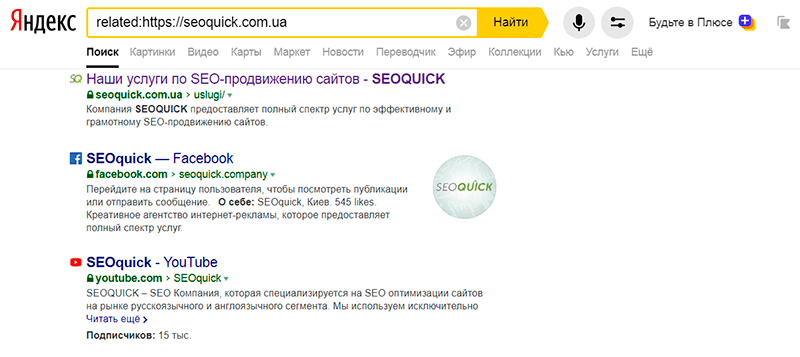
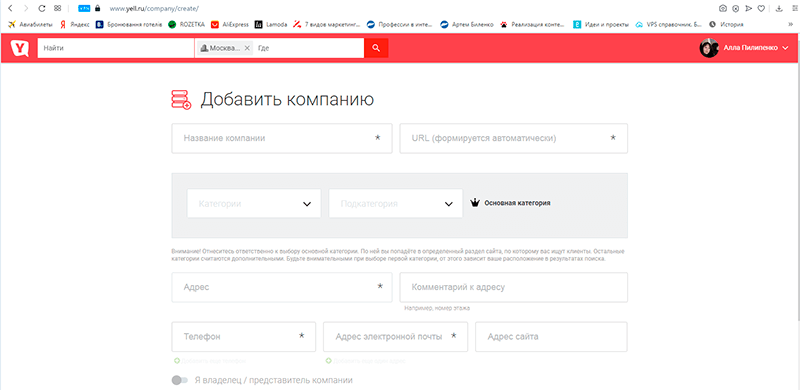
Then — selecting platforms (forums, Q&A, review sites, social groups, blogs, directories), a schedule for each and a format: a comment, a detailed review, an answer to a specific question. The key is useful non-spammy content and consistency, not one-off 'drops'.
How to track crowd effectiveness
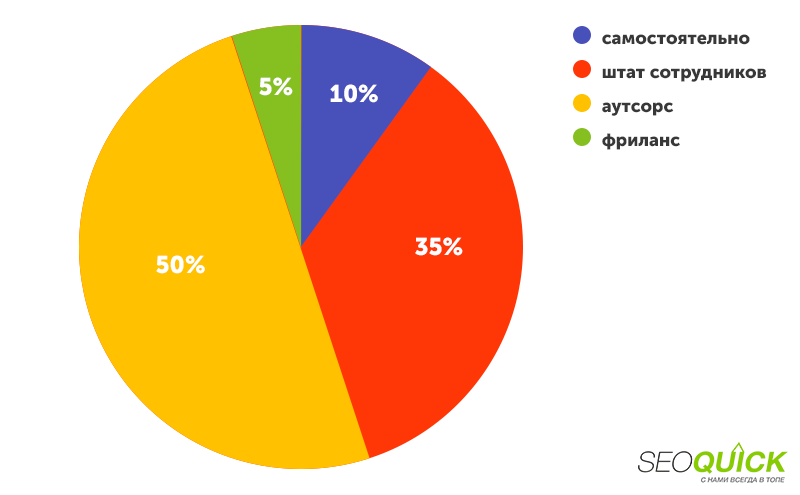
Crowd marketing's core metrics are link mass, search growth and reputation change. We check the link profile with tools (Serpstat, Majestic), and compare referral traffic in Google Analytics and Google Search Console. We track search-position growth some time after placement on top resources.
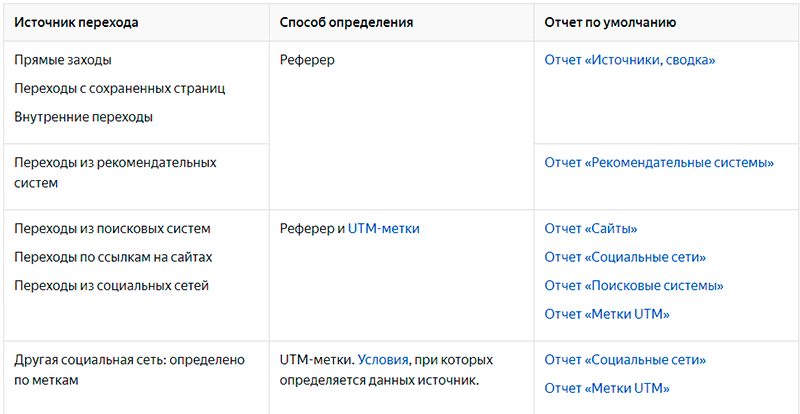
Per 2017 stats, 50% of business owners outsourced crowd promotion. The golden mean — take the strategy under your own control and bring in competent contractors: you'll describe the business objectively, while the team provides volume and consistency.
Project team
The crowd- and link-building methodology is led by Nikolay Shmychkov — SEO strategy (deputy director, SEOquick). Full team and roles on the 'About' page.
What's next
How we apply link strategies in practice — in the case promotion via the Scholarship strategy (SWEETCV). Want to build crowd and link building systematically? The concrete next step is to discuss an off-page strategy for your niche.