Strong product, weak visibility
The store came to us in 2020. It had real product expertise — but barely existed in search: traffic was falling and commercial queries went to marketplaces with their endless range and domain authority.
The niche's paradox: an autoclave buyer isn't looking for «everything», but for something specific — a model, a volume, a type. That specificity is exactly where a specialist store beats an aggregator — if it's surfaced properly. At the start, the site lost that edge: filters weren't indexed and category pages were thin on content.
What held growth back
We started with diagnostics and quickly saw the root cause: a large part of commercial demand simply never reached the site. Filter pages — the hottest, transactional traffic — were blocked from indexing. Categories didn't give the search engine or the buyer enough meaning to rank and convert.
The goal was simple and ambitious: bring traffic back, take commercial pages to the top and hold them there — despite sitting next to marketplaces.
Strategy: from structure to authority
We sequenced the work logically: first the foundation (what to show search engines and how), then meaning (content for demand), and only then authority (links). This order saves budget and delivers first results within the first months.
Keyword research
Built a full keyword set and analysed competitors — understood which queries actually buy, not just browse.
Usability audit
Walked the buyer's path against competitors and found where the site lost leads before the cart.
Technical audit
Removed indexation and speed barriers — the things that quietly throttle all growth.
Indexable filters
Designed and oversaw filters that finally started bringing hot transactional traffic.
Category content
Filled category pages so they answer the query and handle objections — for search engines and people.
Schema markup
Set tasks for Schema so cards and categories look more convincing in the SERP.
Catalogs & mentions
Parsed sites and review platforms, built a baseline link profile and brand presence.
Scholarship link building
Moved from link exchanges to the Scholarship strategy — earning quality links that jumped authority.
×4 traffic and #1 in the niche
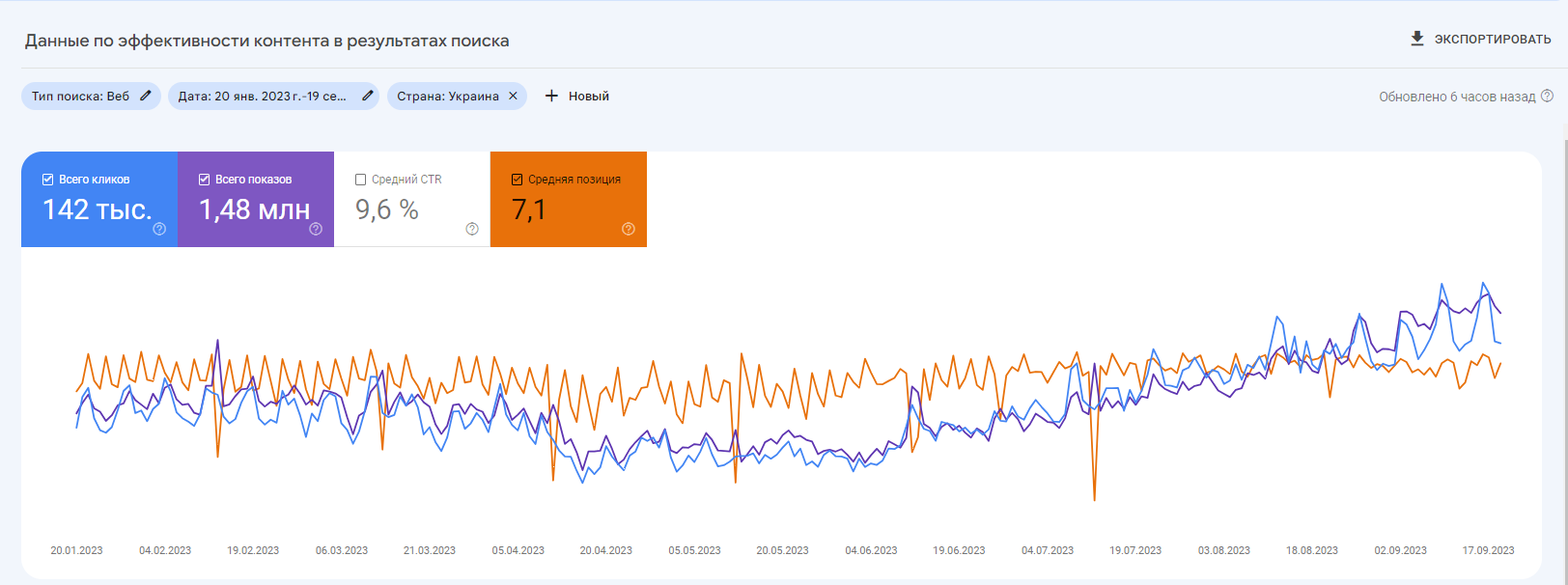
Three years ago the site had almost no organic traffic. On-page optimization and basic link building took it to #1 for the key «autoclave» — then comprehensive content and link work turned point wins into systematic growth.
Today search traffic has grown from 5,000 to 20,000 visits a month, and per Serpstat the site holds about 36,000 organic visits and 51,980 keywords. It outranks even large marketplaces — where it used to lose outright.
| Organic traffic | 5,000 → 20,000 visits/mo (×4) |
| «buy autoclave» | #1 |
| «autoclave» | #4 · 14,800 impressions/mo |
| Keywords in Google | 51,980 (Serpstat) |
| Duration | 3+ years, ongoing |
What analytics show today
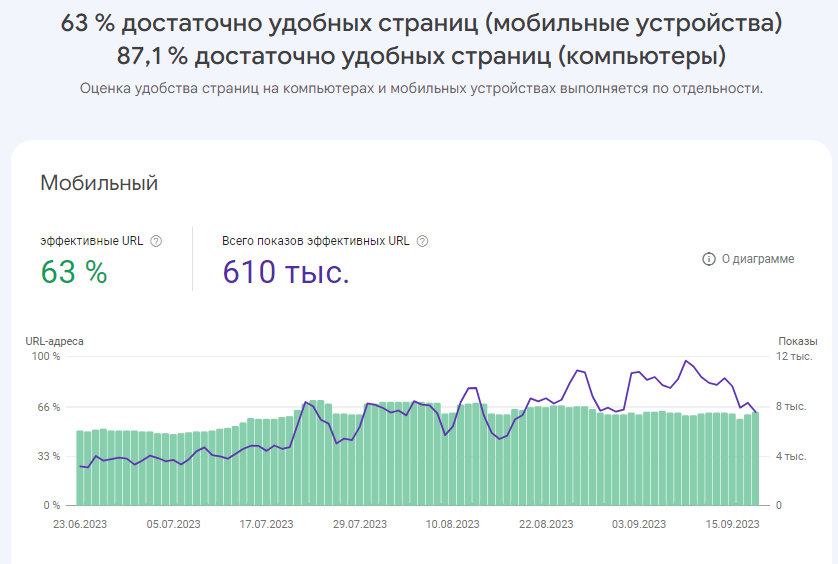
A fresh Serpstat snapshot confirms the growth stuck. The site leads the commercial «autoclave» cluster and is now confidently entering a new zone — Google AI answers: 7,124 queries with AI Overviews presence. In a niche where the buying decision is expensive and considered, that means the brand is seen at the very top before the click.
| Query | Position | Volume |
|---|---|---|
| buy autoclave | #1 | 6,600 /mo |
| autoclave | #4 | 14,800 /mo |
| purchase autoclave | #1 | 6,600 /mo |
| autoclave buy | #2 | 6,600 /mo |
| autoclaves buy | #2 | 6,600 /mo |
Source: Serpstat, Google Ukraine database (current snapshot).
Why SEOquick
The project was handled by the SEOquick: Nikolay Shmychkov — SEO strategy (Deputy Director).
What's next
A similar e-commerce case: SEO for a commercial-equipment store — the same logic: structure, content for demand and systematic link building.
Sounds like your situation? Order an SEO audit — we'll show where you lose traffic and leads.